

A trash bin is just a thing you put trash in until someone comes and takes it away for keeps, recycles it, or turns it into compost. You might call it a waste bin, garbage can, or dustbin, but it's all the same.
**Different kinds of trash cans**
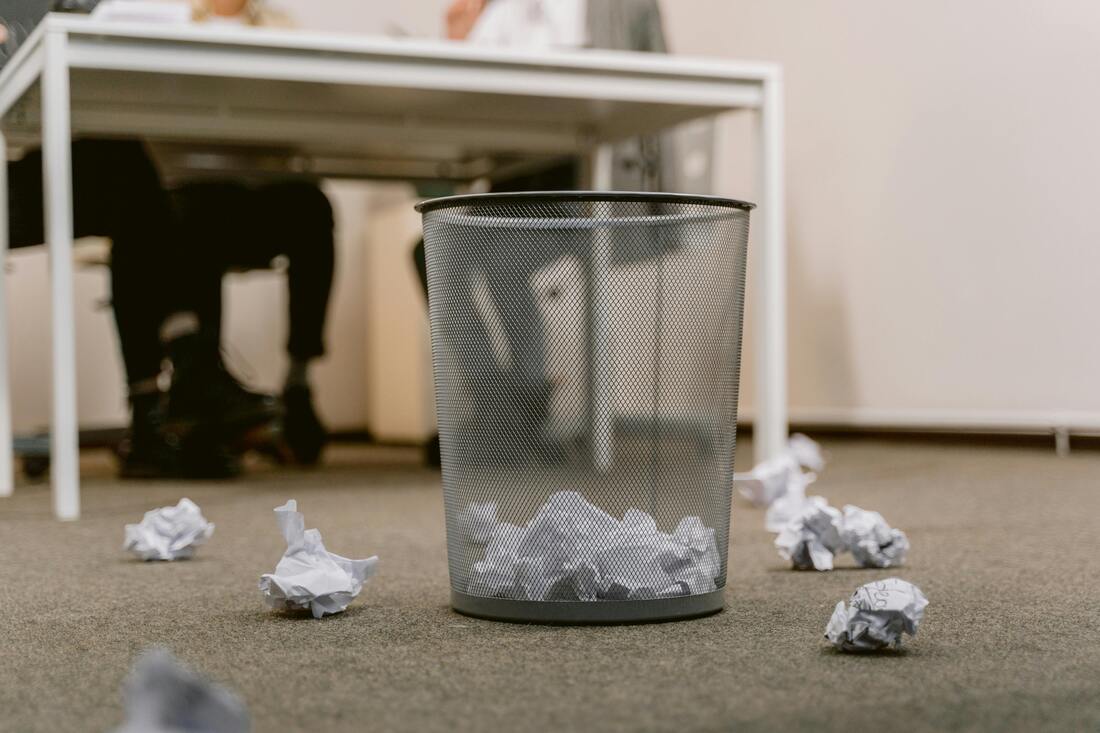
* **Indoor:** These are small to medium-sized and live inside Trash Canss, offices, etc. You use them for everyday stuff like paper, wrappers, or food.
* **Outdoor:** Bigger and tougher, these stay outside so the trash people can get to them. Use them for your regular house garbage, yard waste, and that kind of stuff.
* **Recycling:** These are color-coded so you can sort your paper, plastic, glass and metal.
* **Compost:** These let air in to help food and yard waste break down.
* **Bathroom/Sanitary:** Use these for personal hygiene stuff.
* **Industrial/Dumpster:** Big ones for building sites or businesses, for big loads of trash.
* **Smart:** They have sensors and crush the trash to hold more. You see these in cities and offices.
**How they work**
* **Lids:** You lift them up with your hand -- the most basic kind.
* **Foot pedal:** Step on the pedal to open the lid, so you don't have to touch it.
* **Swing lid:** Just push the lid and it swings open.
* **Touch-free:** Waves your hand to open it.
* **Pull-out:** Hidden in a cabinet and slides out.
* **Crusher:** Smashes the trash to make more room
* **Air holes:** Stop smells and moisture, mostly in compost bins.
* **Bag holder:** Keeps the bag from falling in.
**What they're made of**
* **Plastic:** Cheap and light. Easy to clean and won't rust, but it can stink, and it's not super strong.
* **Metal:** Strong and last a while. Can handle heat, but might rust if it's not coated. Also, kinda heavy.
* **Stainless steel:** Looks good and won't rust. But it can be pricey and shows fingerprints all the time.
* **Wood/Bamboo:** Looks cool and is better for the planet. But you can't put wet stuff in it.
* **Concrete:** For outside in public places. Stays put, but you can't move it easily or clean it well.
* **Mixes:** Uses different materials for strength and can handle the weather. Will cost you more than plain plastic
**How big are they?**
* **Desk:** 1-2 gallons
* **Kitchen:** 5-13 gallons
* **Outdoor:** 15-65 gallons
* **Business/Street:** 25-130 gallons
* **Dumpster:** A whole lot more!
**Colors (what they usually mean)**
* **Green:** food and compost
* **Blue:** Recycling (paper, plastic, etc.)
* **Yellow:** Medical/dangerous stuff
* **Red:** Stuff you can't recycle
* **Black/Gray:** Regular trash
* **White:** Glass or electronics
(Keep in mind, colors can be different depending where you live.)
**Sorting your trash**
Newer trash cans sometimes have different sections to help you sort:
* Food waste
* Recyclables
* Trash
* Electronics or dangerous stuff
Some even have dividers or buckets you can take out to make sorting easier.
**Keeping it clean**
* **Empty:** Every day, or when it's full so it doesn't stink or attract bugs.
* **Wash:** Once a week, with soap and cleaner.
* **Deodorize:** When needed, use baking soda or vinegar.
* **Check:** Once a month, look for breaks or cracks.
**What makes a good trash can?**
* Easy to open and clean.
* Looks good where you put it.
* Doesn't smell; has a tight lid, filters, or air flow.
* Easy for anybody to use.
* Is strong, won't rust, and can take a beating.
* Easy to move
**Why it matters**
* Recycling and tough cans help the planet.
* Compost bins help recycle food.
* Smart bins mean fewer garbage trucks on the road.
* Plastic cans made from recycled stuff help reuse materials.
**Staying safe**
* Use bags to keep the can clean.
* Keep the lid on to keep pests away.
* Keep trash away from where you make food.
* Clean it with cleaner often, especially if other people use it.
**Different kinds of trash cans**
* **Indoor:** These are small to medium-sized and live inside Trash Canss, offices, etc. You use them for everyday stuff like paper, wrappers, or food.
* **Outdoor:** Bigger and tougher, these stay outside so the trash people can get to them. Use them for your regular house garbage, yard waste, and that kind of stuff.
* **Recycling:** These are color-coded so you can sort your paper, plastic, glass and metal.
* **Compost:** These let air in to help food and yard waste break down.
* **Bathroom/Sanitary:** Use these for personal hygiene stuff.
* **Industrial/Dumpster:** Big ones for building sites or businesses, for big loads of trash.
* **Smart:** They have sensors and crush the trash to hold more. You see these in cities and offices.
**How they work**
* **Lids:** You lift them up with your hand -- the most basic kind.
* **Foot pedal:** Step on the pedal to open the lid, so you don't have to touch it.
* **Swing lid:** Just push the lid and it swings open.
* **Touch-free:** Waves your hand to open it.
* **Pull-out:** Hidden in a cabinet and slides out.
* **Crusher:** Smashes the trash to make more room
* **Air holes:** Stop smells and moisture, mostly in compost bins.
* **Bag holder:** Keeps the bag from falling in.
**What they're made of**
* **Plastic:** Cheap and light. Easy to clean and won't rust, but it can stink, and it's not super strong.
* **Metal:** Strong and last a while. Can handle heat, but might rust if it's not coated. Also, kinda heavy.
* **Stainless steel:** Looks good and won't rust. But it can be pricey and shows fingerprints all the time.
* **Wood/Bamboo:** Looks cool and is better for the planet. But you can't put wet stuff in it.
* **Concrete:** For outside in public places. Stays put, but you can't move it easily or clean it well.
* **Mixes:** Uses different materials for strength and can handle the weather. Will cost you more than plain plastic
**How big are they?**
* **Desk:** 1-2 gallons
* **Kitchen:** 5-13 gallons
* **Outdoor:** 15-65 gallons
* **Business/Street:** 25-130 gallons
* **Dumpster:** A whole lot more!
**Colors (what they usually mean)**
* **Green:** food and compost
* **Blue:** Recycling (paper, plastic, etc.)
* **Yellow:** Medical/dangerous stuff
* **Red:** Stuff you can't recycle
* **Black/Gray:** Regular trash
* **White:** Glass or electronics
(Keep in mind, colors can be different depending where you live.)
**Sorting your trash**
Newer trash cans sometimes have different sections to help you sort:
* Food waste
* Recyclables
* Trash
* Electronics or dangerous stuff
Some even have dividers or buckets you can take out to make sorting easier.
**Keeping it clean**
* **Empty:** Every day, or when it's full so it doesn't stink or attract bugs.
* **Wash:** Once a week, with soap and cleaner.
* **Deodorize:** When needed, use baking soda or vinegar.
* **Check:** Once a month, look for breaks or cracks.
**What makes a good trash can?**
* Easy to open and clean.
* Looks good where you put it.
* Doesn't smell; has a tight lid, filters, or air flow.
* Easy for anybody to use.
* Is strong, won't rust, and can take a beating.
* Easy to move
**Why it matters**
* Recycling and tough cans help the planet.
* Compost bins help recycle food.
* Smart bins mean fewer garbage trucks on the road.
* Plastic cans made from recycled stuff help reuse materials.
**Staying safe**
* Use bags to keep the can clean.
* Keep the lid on to keep pests away.
* Keep trash away from where you make food.
* Clean it with cleaner often, especially if other people use it.
⚛️ 12. Trash Can Design
🔹 Making it Easy to Use
Good trash can design thinks about how people move, stand, and how often they toss stuff:
* **Height:** About as high as your hand when you’re standing, so it’s easy to reach.
* **Lid:** Shouldn't take much effort to open (like, less than 2 N).
* **Opening:** Big enough to chuck in bigger stuff.
* **Where to put it:** Close to where people are (like, a meter or two away) so they actually use it.
🔹 What Shape Works Best?
| Shape | Good For... | Why? |
| ----------------- | --------------------- | ------------------------------------- |
| Round | Inside | Takes up less space, doesn't tip over |
| Square/Rectangle | Kitchens, Offices | Fits in corners, holds more |
| Wider at the Top | Outside | Easier to throw trash in |
| Skinny | Tight hallways | Saves space |
| Cone/Funnel Shape | Street | Almost guarantees trash goes in |
🧮 13. Getting Rid of Trash Efficiently
A. How it Gets Picked Up
Trash cans need to work with how the trash people collect stuff:
* **By hand:** Someone carries it or empties it.
* **With machines:** Trucks with arms that lift and dump the can.
* **Robots:** Some cities use fancy robot arms on trucks now.
B. What to Line the Can With
* **Basic:** Just a plastic bag.
* **Double:** A normal can with a bucket inside that you can take out.
* **Nothing:** Some cans seal or squash the trash to keep it in.
* **Plant-based:** Bags made from corn or something that can be composted.
🧠 14. How People Act Around Trash Cans
How people toss stuff is all about:
* **Seeing the can:** If you don’t see it, you won’t use it.
* **How close it is:** Closer cans mean less trash on the ground.
* **Colors and labels:** Good signs help people sort trash right.
* **Easy to open:** Lids that open without a fight get used more.
* **Monkey see, monkey do:** If people see others recycle, they will too.
Studies say if you have good signs so people can see what to recycle, recycling can go up a lot (like, 20-50%).
🪛 15. What Trash Cans are Made Of
| Part | What it Does |
| -------------- | ---------------------------------------- |
| Body | The main part that holds the trash. |
| Lid | Keeps smells in, keeps animals out. |
| Foot Pedal | You step on it to open the lid. |
| Hinge | Lets the lid move smoothly. |
| Handle | To carry the can around. |
| Wheels | So you can roll it. |
| Seal | Keeps smells and liquids from leaking. |
| Bag Holder | Keeps the bag from falling in. |
| Drain Plug | So you can wash it out easily. |
🔋 16. High-Tech Trash Cans
Trash cans are getting smarter:
| Tech | What it Does | Why it's cool |
| ------------------- | ------------------------------------------ | --------------------------------------------- |
| Sensors | Knows when someone's there or the can is full | Opens by itself or tells someone to empty it |
| Solar Power | Squashes the trash with the sun's power | Holds way more trash (5-10 times as much) |
| Internet | Sends info to the trash company | They know the best way to pick up the trash |
| Tags | Tells the truck which can it is | Fewer mistakes when picking up trash |
| AI | Figures out what kind of trash it is | Recycles better |
| Smell Filters | Gets rid of bad smells | Smells better |
| Lights | Shows if it’s full or what to put where | Helps people use it right |
🌍 17. Taking Care of the Planet
♻️ How to be a green trash can:
* **Use recycled stuff:** Make the can out of recycled things, or stuff that can be recycled later.
* **Easy to fix:** Make it so you can swap out parts instead of throwing the whole thing away.
* **Lasts a long time:** Make it so it can sit outside for 10+ years.
* **Uses less power:** Solar power or sensors that don’t use much electricity.
* **Easy to recycle:** Don’t use a bunch of different materials that are hard to take apart.
🌿 Thinking about the whole process:
| What Part? | What to think about? |
| ------------ | ---------------------------------------------------- |
| Making it | Don’t use a lot of bad stuff when you make it. |
| Shipping it | Make it stackable so you can ship more at once. |
| Using it | Make it easy to sort trash and compost. |
| Throwing it | Make it easy to take apart and recycle when done. |
🏙️ 18. Where You Put It Matters
Where you put trash cans makes a big difference in how clean a city is.
* Put cans every 30-50 meters where people walk.
* Near doors, where people buy stuff, and where they eat.
* Don’t block people walking or wheelchairs.
* Put all the recycling cans together, don’t spread them out.
* Use heavy cans so they don’t blow over.
Smart cities use maps and sensors to figure out how many cans they need and how often to empty them.
🧴 19. Getting Rid of Smells and Bugs
| Problem | Solution |
| ---------------- | ------------------------------------------------- |
| Smells | Charcoal filters, baking soda, vinegar sprays |
| Flies | Keep the lid closed, use citric or boric powder |
| Rats/Mice | Metal or thick plastic lids, good seals |
| Leaky trash goo | Drain plugs, liners that soak it up |
| Mold | Clean it often and let it air out |
🧰 20. Keeping it Up and Running
| What to Do? | How to Do It? | How Often? |
| ----------- | ---------------------------------- | -------- |
| Check it | Look at the lid, wheels, etc. | Once a month |
| Wash it | Soap and water, then dry it | Once a week |
| De-stink it | Baking soda or filters | When needed |
| Grease it | The pedal and hinges | Every few months |
| Fix it | Liners or parts that are broken | When needed |
A good trash can last 5-15 years, depending on how you use it and what it’s made of.
🧱 21. Special Trash Cans for Special Jobs
| Type | What is it? | Where to use it? |
| -------------------- | ------------------------------------ | ---------------------------------- |
| Hazardous Waste Can | Strong, sealed | Chemicals, medical waste |
| Sharps Container | Can’t poke through | Needles, blades |
| Food Waste Can | Sealed with filters | Kitchens, restaurants |
| Construction Bin | Big, open metal bin | Rubble, debris |
| Ash Can | Can handle hot stuff | Fireplaces, factories |
| Oil/Grease Bin | Doesn’t leak | Industrial kitchens |
| Underground Can | Hidden under the street | Big cities |
🧑🔧 22. Rules and Stuff
Even if there aren't exact rules for every trash can, most are made to:
* Not catch fire easily (for inside).
* Handle sun and bumps (for outside).
* Be easy to use for everyone.
* Have labels so people know where to put what.
* Have locks for safety (like at schools or hospitals).
🧭 23. What's Next?
🌱 Trash cans made from plants that break down.
🔋 Trash cans that use the sun to power sensors.
🤖 Trash cans that sort and empty themselves.
🧠 Trash cans that know what you’re throwing away.
🏢 Offices with fancy trash systems that recycle, squash, and keep track of trash.
🌆 Cities using trash data to make better trash plans.
🔹 Making it Easy to Use
Good trash can design thinks about how people move, stand, and how often they toss stuff:
* **Height:** About as high as your hand when you’re standing, so it’s easy to reach.
* **Lid:** Shouldn't take much effort to open (like, less than 2 N).
* **Opening:** Big enough to chuck in bigger stuff.
* **Where to put it:** Close to where people are (like, a meter or two away) so they actually use it.
🔹 What Shape Works Best?
| Shape | Good For... | Why? |
| ----------------- | --------------------- | ------------------------------------- |
| Round | Inside | Takes up less space, doesn't tip over |
| Square/Rectangle | Kitchens, Offices | Fits in corners, holds more |
| Wider at the Top | Outside | Easier to throw trash in |
| Skinny | Tight hallways | Saves space |
| Cone/Funnel Shape | Street | Almost guarantees trash goes in |
🧮 13. Getting Rid of Trash Efficiently
A. How it Gets Picked Up
Trash cans need to work with how the trash people collect stuff:
* **By hand:** Someone carries it or empties it.
* **With machines:** Trucks with arms that lift and dump the can.
* **Robots:** Some cities use fancy robot arms on trucks now.
B. What to Line the Can With
* **Basic:** Just a plastic bag.
* **Double:** A normal can with a bucket inside that you can take out.
* **Nothing:** Some cans seal or squash the trash to keep it in.
* **Plant-based:** Bags made from corn or something that can be composted.
🧠 14. How People Act Around Trash Cans
How people toss stuff is all about:
* **Seeing the can:** If you don’t see it, you won’t use it.
* **How close it is:** Closer cans mean less trash on the ground.
* **Colors and labels:** Good signs help people sort trash right.
* **Easy to open:** Lids that open without a fight get used more.
* **Monkey see, monkey do:** If people see others recycle, they will too.
Studies say if you have good signs so people can see what to recycle, recycling can go up a lot (like, 20-50%).
🪛 15. What Trash Cans are Made Of
| Part | What it Does |
| -------------- | ---------------------------------------- |
| Body | The main part that holds the trash. |
| Lid | Keeps smells in, keeps animals out. |
| Foot Pedal | You step on it to open the lid. |
| Hinge | Lets the lid move smoothly. |
| Handle | To carry the can around. |
| Wheels | So you can roll it. |
| Seal | Keeps smells and liquids from leaking. |
| Bag Holder | Keeps the bag from falling in. |
| Drain Plug | So you can wash it out easily. |
🔋 16. High-Tech Trash Cans
Trash cans are getting smarter:
| Tech | What it Does | Why it's cool |
| ------------------- | ------------------------------------------ | --------------------------------------------- |
| Sensors | Knows when someone's there or the can is full | Opens by itself or tells someone to empty it |
| Solar Power | Squashes the trash with the sun's power | Holds way more trash (5-10 times as much) |
| Internet | Sends info to the trash company | They know the best way to pick up the trash |
| Tags | Tells the truck which can it is | Fewer mistakes when picking up trash |
| AI | Figures out what kind of trash it is | Recycles better |
| Smell Filters | Gets rid of bad smells | Smells better |
| Lights | Shows if it’s full or what to put where | Helps people use it right |
🌍 17. Taking Care of the Planet
♻️ How to be a green trash can:
* **Use recycled stuff:** Make the can out of recycled things, or stuff that can be recycled later.
* **Easy to fix:** Make it so you can swap out parts instead of throwing the whole thing away.
* **Lasts a long time:** Make it so it can sit outside for 10+ years.
* **Uses less power:** Solar power or sensors that don’t use much electricity.
* **Easy to recycle:** Don’t use a bunch of different materials that are hard to take apart.
🌿 Thinking about the whole process:
| What Part? | What to think about? |
| ------------ | ---------------------------------------------------- |
| Making it | Don’t use a lot of bad stuff when you make it. |
| Shipping it | Make it stackable so you can ship more at once. |
| Using it | Make it easy to sort trash and compost. |
| Throwing it | Make it easy to take apart and recycle when done. |
🏙️ 18. Where You Put It Matters
Where you put trash cans makes a big difference in how clean a city is.
* Put cans every 30-50 meters where people walk.
* Near doors, where people buy stuff, and where they eat.
* Don’t block people walking or wheelchairs.
* Put all the recycling cans together, don’t spread them out.
* Use heavy cans so they don’t blow over.
Smart cities use maps and sensors to figure out how many cans they need and how often to empty them.
🧴 19. Getting Rid of Smells and Bugs
| Problem | Solution |
| ---------------- | ------------------------------------------------- |
| Smells | Charcoal filters, baking soda, vinegar sprays |
| Flies | Keep the lid closed, use citric or boric powder |
| Rats/Mice | Metal or thick plastic lids, good seals |
| Leaky trash goo | Drain plugs, liners that soak it up |
| Mold | Clean it often and let it air out |
🧰 20. Keeping it Up and Running
| What to Do? | How to Do It? | How Often? |
| ----------- | ---------------------------------- | -------- |
| Check it | Look at the lid, wheels, etc. | Once a month |
| Wash it | Soap and water, then dry it | Once a week |
| De-stink it | Baking soda or filters | When needed |
| Grease it | The pedal and hinges | Every few months |
| Fix it | Liners or parts that are broken | When needed |
A good trash can last 5-15 years, depending on how you use it and what it’s made of.
🧱 21. Special Trash Cans for Special Jobs
| Type | What is it? | Where to use it? |
| -------------------- | ------------------------------------ | ---------------------------------- |
| Hazardous Waste Can | Strong, sealed | Chemicals, medical waste |
| Sharps Container | Can’t poke through | Needles, blades |
| Food Waste Can | Sealed with filters | Kitchens, restaurants |
| Construction Bin | Big, open metal bin | Rubble, debris |
| Ash Can | Can handle hot stuff | Fireplaces, factories |
| Oil/Grease Bin | Doesn’t leak | Industrial kitchens |
| Underground Can | Hidden under the street | Big cities |
🧑🔧 22. Rules and Stuff
Even if there aren't exact rules for every trash can, most are made to:
* Not catch fire easily (for inside).
* Handle sun and bumps (for outside).
* Be easy to use for everyone.
* Have labels so people know where to put what.
* Have locks for safety (like at schools or hospitals).
🧭 23. What's Next?
🌱 Trash cans made from plants that break down.
🔋 Trash cans that use the sun to power sensors.
🤖 Trash cans that sort and empty themselves.
🧠 Trash cans that know what you’re throwing away.
🏢 Offices with fancy trash systems that recycle, squash, and keep track of trash.
🌆 Cities using trash data to make better trash plans.